Period care is not one-size-fits-all. This is evident just by looking at how many types of period products are available at the store. But it can also be true for you throughout your own life; what worked for you as a teenager might not work as well now. Your flow, comfort level, lifestyle, budget, skin sensitivity, and health needs can all change over time.
There are more period products available today than many people grew up using. Pads and tampons are still common, but menstrual cups, discs, period underwear, reusable pads, and organic or fragrance-free options are also becoming more popular. The best choice for you is the one that feels safe, comfortable, manageable, and realistic for your body and routine.
Start With Your Flow
Your flow can help you decide which products may work best. Some people have light and predictable periods, while others have heavy bleeding, clots, spotting, or unpredictable cycles.
You also might want to use different products for different days. For example, you might prefer a cup or tampon on heavier days, period underwear as backup, and a thin pad or liner on lighter days. Combining products can also give you more confidence at work, school, overnight, or during exercise.
If you regularly soak through pads or tampons quickly, pass large clots, or need to change products during the night, talk with a healthcare provider. Heavy bleeding can be common, but it is still worth discussing with a professional.
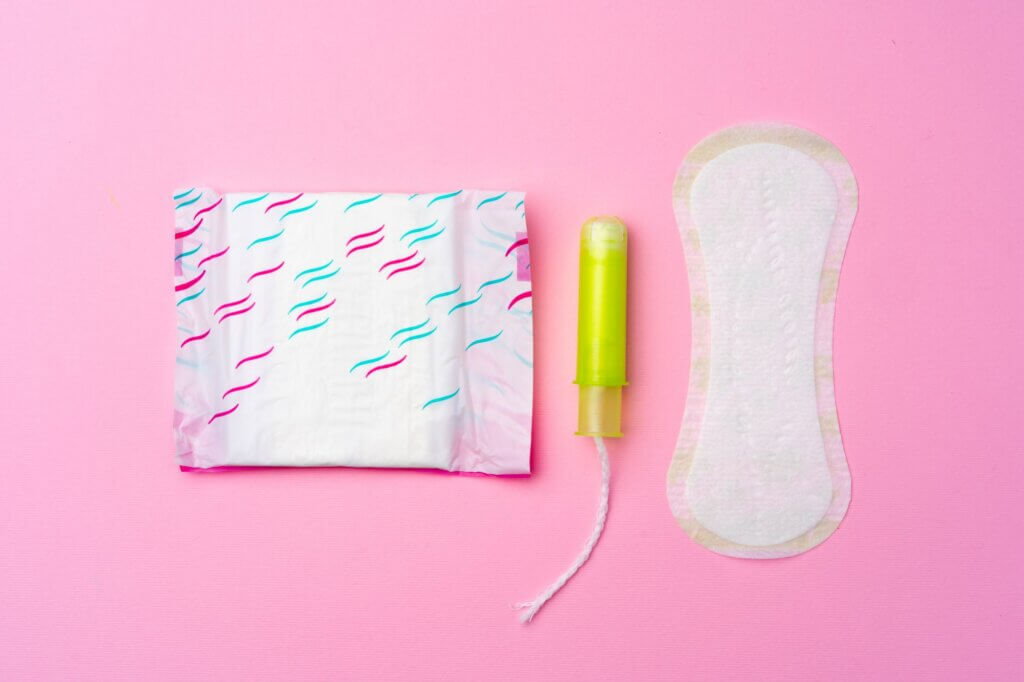
Pads, Tampons, Cups, and Discs
Pads are easy to use and come in many sizes. They can be a good option if you prefer not to insert anything into the vagina. Some people find them bulky or irritating, especially during hot weather or exercise, but it can depend on the brand.
Tampons are inserted into the vagina and can be useful for swimming, sports, or lighter clothing. They must be changed regularly and used at the lowest absorbency needed for your flow.
Menstrual cups are reusable, flexible cups that collect blood instead of absorbing it. They can be more budget-friendly over time, but they may take practice to insert and remove comfortably.
Menstrual discs, like cups, also collect blood. They sit a little differently in the vaginal canal and can feel less noticeable. Like cups, they can have a learning curve.
Period Underwear and Reusable Pads
Period underwear and reusable pads might be helpful options if you want something washable, comfortable, or lower-waste. Period underwear looks and feels similar to regular underwear but has built-in absorbent layers. Some people use it on its own for lighter days, while others use it as backup with a tampon, cup, or disc.
Reusable pads work more like traditional pads, but they are made from washable fabric instead of disposable materials. They can be a good choice if disposable pads irritate your skin or if you want to reduce monthly waste.
Both options require regular washing and drying, so they may not be the best fit for every person’s schedule or living situation. As with any period product, comfort and absorbency can vary by brand. It may take some trial and error to find what works best for your body.
Consider Comfort and Sensitivity
Period products sit close to sensitive skin and tissue, so comfort is important. Fragrances, dyes, plastics, or certain materials can cause irritation. If you notice itching, burning, rashes, or discomfort during your period, consider switching brands or trying fragrance-free products and talk with your provider if symptoms continue.
Reusable products should be cleaned according to instructions. Products that are inserted should also be handled with clean hands to reduce irritation and infection risk.
Think About Your Daily Routine
The right product should fit your real life, not an ideal version of it.
Make sure you ask yourself these questions:
- Can you change or empty it easily during your day?
- Do you have access to a clean bathroom?
- Do you need something comfortable for long shifts, school, or travel?
- Do you play sports or swim?
- Are you looking to reduce waste?
- Is upfront cost or monthly cost more important right now?
For some people, disposable products are the most practical. For others, reusable options feel more convenient and affordable over time.
Know the Basics of Safe Use
Whatever product you choose, use it as directed. Change pads and tampons regularly. Do not wear tampons longer than recommended on the package. Empty and clean reusable cups or discs according to the manufacturer’s directions.
Toxic shock syndrome is rare, but it is associated with tampon use and can also occur with other inserted period products. Seek urgent care if you develop a sudden high fever, rash, vomiting, diarrhea, dizziness, or confusion while using an inserted period product.
When to Talk with a Provider
Make an appointment if your period is interfering with your life or feels different than usual. This includes very heavy bleeding, severe cramps, bleeding between periods, bleeding after sex, periods that suddenly become irregular, or symptoms of anemia such as dizziness, weakness, or unusual fatigue.
You should also reach out if inserting tampons, cups, or discs is painful. There may be a treatable reason, such as pelvic floor tension, infection, dryness, or another health concern.
Give Yourself Permission to Change What You Use
Your period care can change with your body. You may need different products after pregnancy, during perimenopause, after starting a new birth control method, or simply because your preferences have changed.
At WFMC Health, we are here to support your health through every stage of life. Periods are a normal part of life, but discomfort, heavy bleeding, or product-related concerns are worth discussing. You deserve period care that works for you.
This article is meant for informational purposes only. If you have questions or would like further information, make an appointment with your primary care provider.
